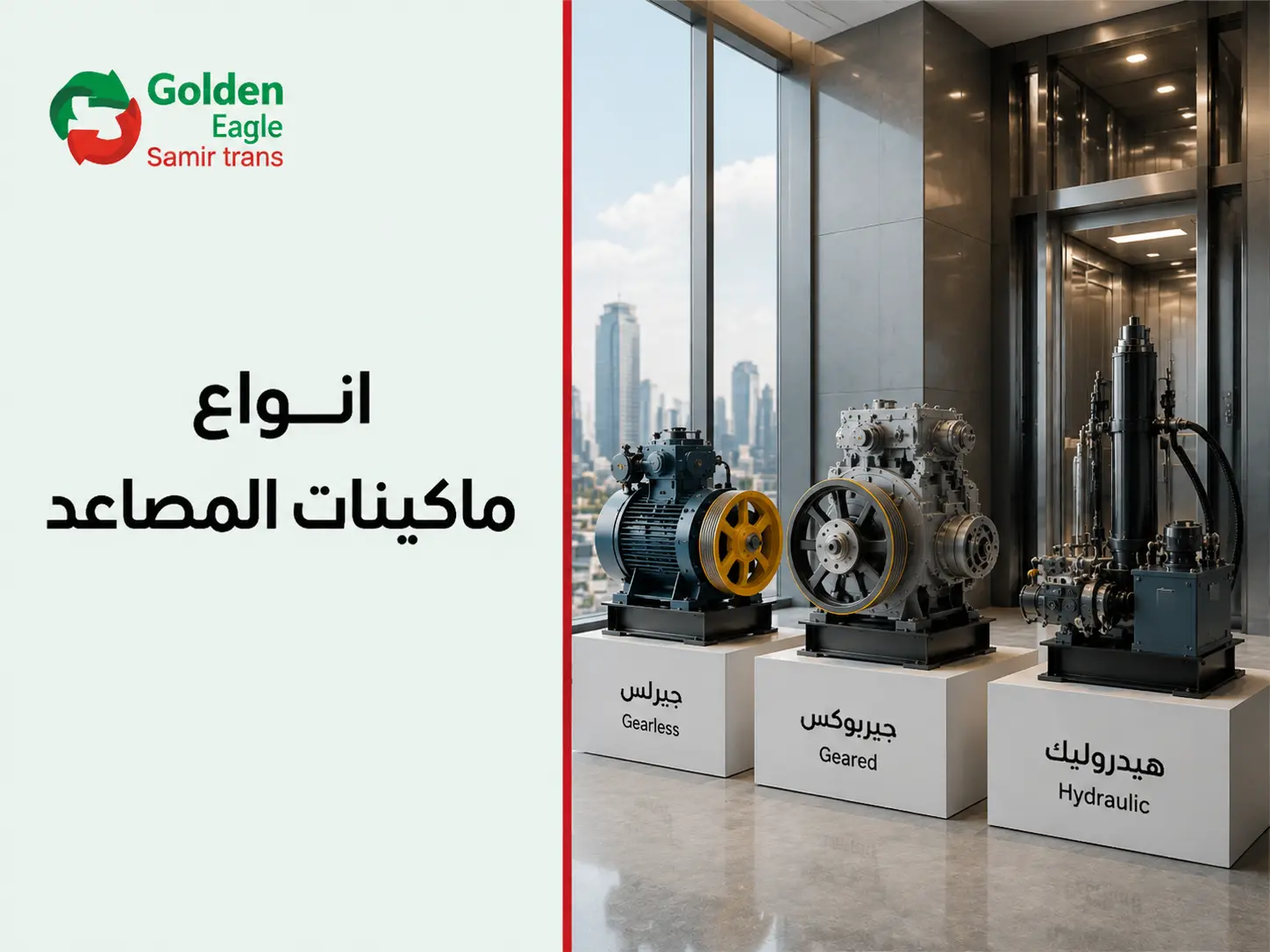
Types of elevator machines and their prices
The elevator machine is one of the most important components that determine elevator efficiency, operating speed, and safety level. It is the main unit responsible for providing the power required to move the elevator cabin smoothly between floors. Therefore, choosing the right Types of Elevator Machines is a critical decision when installing a new elevator in residential buildings, commercial facilities, hospitals, or industrial projects.
Selecting an elevator machine does not depend on price alone. Several factors must be considered, including building height, number of floors, elevator capacity, daily operation frequency, and the nature of usage. A machine suitable for a high-rise residential tower may not be the same choice for a goods elevator or a hospital elevator.
In this article, we will discuss the most common Types of Elevator Machines, explain the differences between Gearless, Geared, and Hydraulic elevator machines, and help you understand how to choose the best elevator machine according to your project requirements.
What Is an Elevator Machine?
An elevator machine is the mechanical unit responsible for moving the elevator cabin. It converts electrical energy into mechanical movement, allowing the cabin and its load to move safely between floors.
The elevator machine works together with several other components, including the elevator motor, control system, ropes, and other mechanical parts depending on the elevator design.
The quality of elevator machine components directly affects the overall performance and lifespan of the elevator. Choosing a high-quality machine that matches the building requirements helps reduce breakdowns, improve efficiency, and maintain safer operation.
The elevator cabin design also affects machine requirements, as large and customized Elevator Cabins require different performance specifications compared with smaller passenger elevators.
Types of Elevator Machines
There are different elevator machine systems available depending on the operating technology and required performance. The most common Types of Elevator Machines include Gearless, Geared, and Hydraulic elevator machines.
1- Gearless Elevator Machine
The Gearless elevator machine is one of the most advanced elevator drive technologies. It works by connecting the motor directly to the traction sheave without using a gearbox, which reduces energy loss and improves operating efficiency.
This type of machine is widely used in high-rise buildings that require high speed, smooth performance, and continuous operation.
Advantages of Gearless Elevator Machine:
- High energy efficiency: It provides better energy consumption compared with traditional systems.
- Quiet operation: It operates with minimal noise and vibration.
- Suitable for high-rise buildings: It can handle long travel distances and frequent operation.
- Lower maintenance requirements: Due to fewer mechanical moving parts compared with geared systems.
Common Applications of Gearless Elevator Machines:
They are commonly used in:
- Residential towers.
- Hotels.
- Shopping malls.
- Large hospitals.
- Commercial and administrative buildings.
Although the initial cost of this system may be higher, its efficiency and long service life make it a valuable investment for projects that require reliable daily operation.
2- Geared Elevator Machine
A Geared elevator machine uses a gearbox between the motor and traction sheave. This system increases pulling force and improves the elevator’s ability to handle different loads.
A Geared Elevator Machine remains one of the widely used solutions because it provides a good balance between performance and installation cost.
Advantages of Geared Elevator Machine:
- Good ability to handle heavy loads.
- Suitable for residential and commercial buildings.
- Lower initial cost compared with some modern systems.
- Stable performance for daily operation.
Limitations of Geared Elevator Machine:
Despite its advantages, there are some points to consider:
- Requires regular maintenance for the gearbox.
- Produces more noise compared with gearless systems.
- May consume more energy.
Therefore, this type should be selected after evaluating the building requirements and expected operating conditions.
3- Hydraulic Elevator Machine
A Hydraulic elevator machine works by using hydraulic pressure to move a piston that raises and lowers the elevator cabin. Unlike traction elevators, hydraulic systems do not depend on ropes and traction sheaves.
This system is known for its strong lifting capacity, making it suitable for applications that require handling heavy loads.
Advantages of Hydraulic Elevator Machine:
- Suitable for low and medium-rise buildings.
- High load capacity.
- Smooth and stable movement.
- Ideal for some goods and industrial elevators.
Common Uses of Hydraulic Elevators:
Hydraulic elevator machines are commonly used in:
- Warehouses.
- Factories.
- Garages.
- Low-rise buildings.
- Goods transportation areas.
The system should be selected carefully according to space availability and operating requirements because hydraulic elevators have different installation needs compared with traction systems.